
12th March 2017
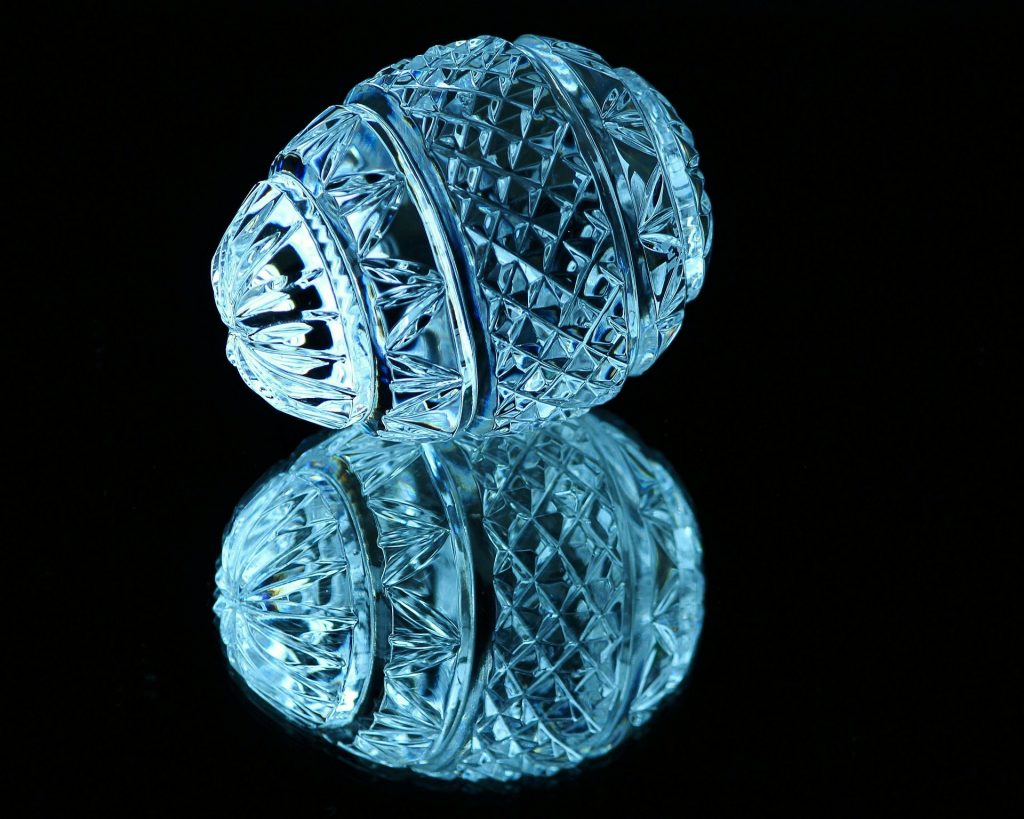
THE SWAROVSKI CRYSTAL MYSTERY
On October 24, 1862, in a remote Austrian village, Daniel Swarovski was born to a humble family of glasscutters.
As a boy, he had high hopes of becoming a famous violinist. Sadly, his dream never sprouted wings, as he was not a good violin player. When he was old enough, he journeyed to Paris to study. It was there that the young Swarovski would visit the “First Electrical Exhibition” where he would come face-to-face with some of the most innovative use of electricity. This sparked the idea to adapt a machine that could revolutionise glass cutting.
In 1892, he invented the world’s first electrical machine for grinding glass. Diamonds, at the time, were costly while crystals were much more affordable to consumers. By 1895, the Swarovski company debuted a state-of-the-art way of cutting crystals to imitate the more expensive stones.
Demand for the new Swarovski crystals skyrocketed all across Europe to the point that Swarovski had to hire 200 more workers. His pieces soon became one of the top fashion crazes, with designers like Coco Chanel using his crystals in her work.
The craftsmanship was like nothing the world had witnessed before. There were virtually no competitors in his field due to the closely guarded secret about how Swarovski crystals were manufactured.
Today, Swarovski supplies about 80% of stones for high-quality jewellery. And competitors still continue to (unsuccessfully) try to solve the Swarovski mystery about why their crystals shine brighter than others and are so difficult to distinguish with genuine diamonds. In fact, after a crystal is made, employees are required to destroy its records. This also means that crystals are unique. And the rest, as they say, is history.